
Hart resident completes retrofit of his home
Running costs
A typical 2–3 bedroom semi uses about £1,800 of energy per year according to British Gas. In contrast, during our first year with a fully-electric house, our home earned us £120 – we were effectively paid £10 a month by our utility provider!
We also run two second hand electric cars. Over ~21,800 miles last year, home charging both cars on a cheap overnight tariff cost us £394 (around 1.8p/mile), compared with roughly 15p/mile for diesel. It’s now widely agreed that modern EV batteries will outlive the vehicles they’re fitted to, and many batteries are then re-purposed in less power-intense applications like stationary energy-storage systems before they head to be recycled – the latest cutting-edge facilities recovering up to 98% of raw materials from spent batteries, which can then go straight back into new batteries.
Payback period
Comparing typical annual costs (£1,800) with our outcome (£120 credit), the payback period is around 13 years. This doesn’t include maintenance or long term efficiency changes, but the financial return is only part of the benefit. Our home now emits far less carbon and the heat pump provides much more stable, comfortable heating than our old gas system.
Advice for others
Seek out people who’ve installed similar systems or visit events like the Everything Electric Show (https://everythingelectric.show/) to learn from the experts. Reputable sources such as the Energy Saving Trust and specialist YouTube channels.
Test
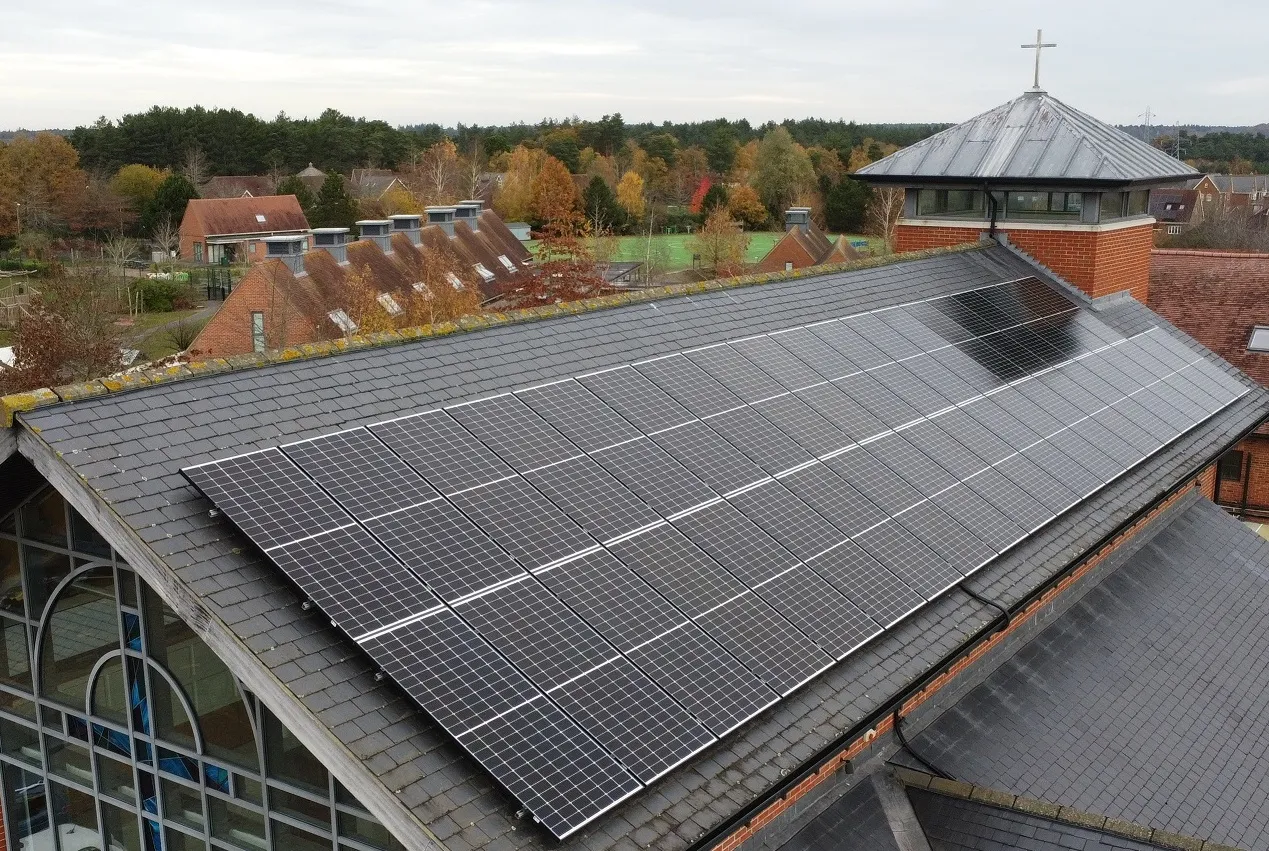
In 2019 we installed a 4kWp roof mounted solar PV array, a 13.5kWh Tesla Powerwall 2 and extra loft and cavity wall insulation. In 2023 we added a second 4kWp solar array on our south facing wall, which now provides up to half of our winter solar generation and 35% of our summer generation. In February 2025 we fitted a 6kW Daikin Altherma heat pump, allowing us to disconnect from the gas network entirely.
Why did we install these technologies?
Our main goal was to reduce our carbon footprint by generating electricity ourselves and eliminating gas use. We also wanted to be less dependent on the national grid and protect ourselves from fluctuating energy prices. Using solar, battery storage and a time of use tariff, we charge the battery cheaply overnight and export all our excess solar during the day, and income from the spring through the autumn help to offset winter usage. Each new upgrade has also made us more conscious of our energy use.
How much did everything cost?
Altogether, the system cost around £24,000, including both solar arrays, the battery, insulation improvements and the heat pump. Planning related costs added another £1,000. Prices for solar and batteries continue to fall, and although our heat pump installation was unusually cheap at the time, I suspect a similar setup would now cost less overall. Importantly, you don’t need to spend this much—simple insulation upgrades can already make a big difference.